
Which Organisations Benefit Most From a Strategy Retreat
By Mike Horne, Managing Director & Partner, ASHA

Not every organisation needs a strategy retreat.
But for those that do, the impact can be profound.
Over the years, I have seen a clear pattern emerge in the businesses that gain the most value from stepping away from the day to day and creating space for structured strategic work. These are not companies looking for a morale boost or a short term fix. They are organisations with scale, complexity and ambition.
They understand that people, alignment and clarity are not abstract concepts. They are critical drivers of performance.
Scale Changes the Nature of the Challenge
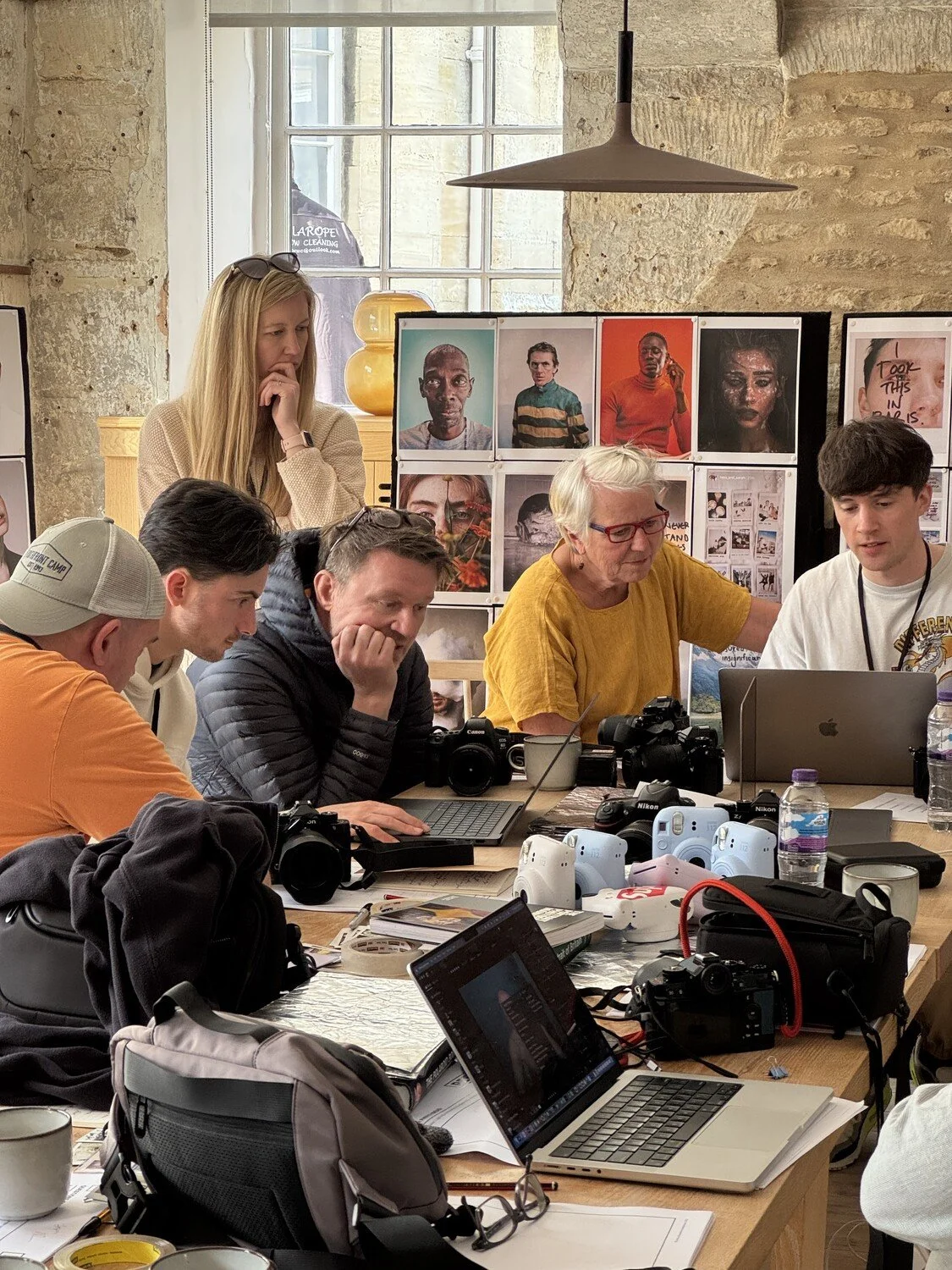
As organisations grow, decision making becomes more distributed. Senior leadership teams expand. Layers increase. Communication becomes more complex. What once felt intuitive now requires intention.
In these environments, strategy cannot live solely in documents or presentations. It needs to be understood, felt and carried forward by the people responsible for delivering it.
This is where many large organisations feel the strain.
Leaders are capable. Teams are experienced. Yet something starts to fragment. Priorities compete. Focus becomes diluted. Conversations become functional rather than exploratory.
A strategy retreat creates the conditions to step back and address this complexity properly.
When Leadership Teams Need to Reconnect
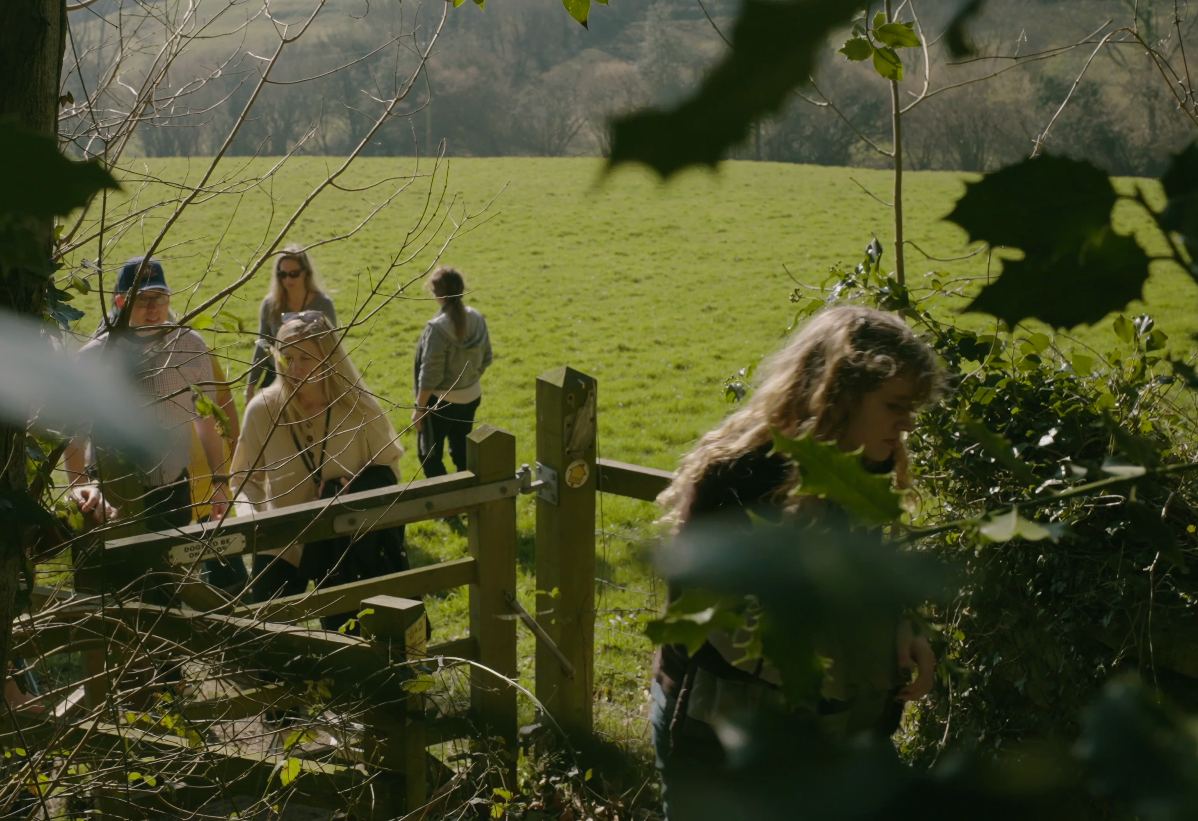
Large organisations often have highly capable individuals at the top. What they do not always have is the time and space to think together.
A strategy retreat allows senior leaders to slow down enough to reconnect with one another. Not socially, but strategically. To revisit purpose. To surface assumptions. To align around what truly matters next.
This is particularly valuable when organisations are navigating growth, transformation, mergers, market shifts or internal change. These moments require more than operational planning. They require shared understanding and trust at the leadership level.
Where People Really Are the Business
In people led organisations, culture is not a side consideration. It is the operating system.
When collaboration, creativity and judgement sit at the heart of value creation, team cohesion becomes a strategic priority. How people work together directly affects outcomes.
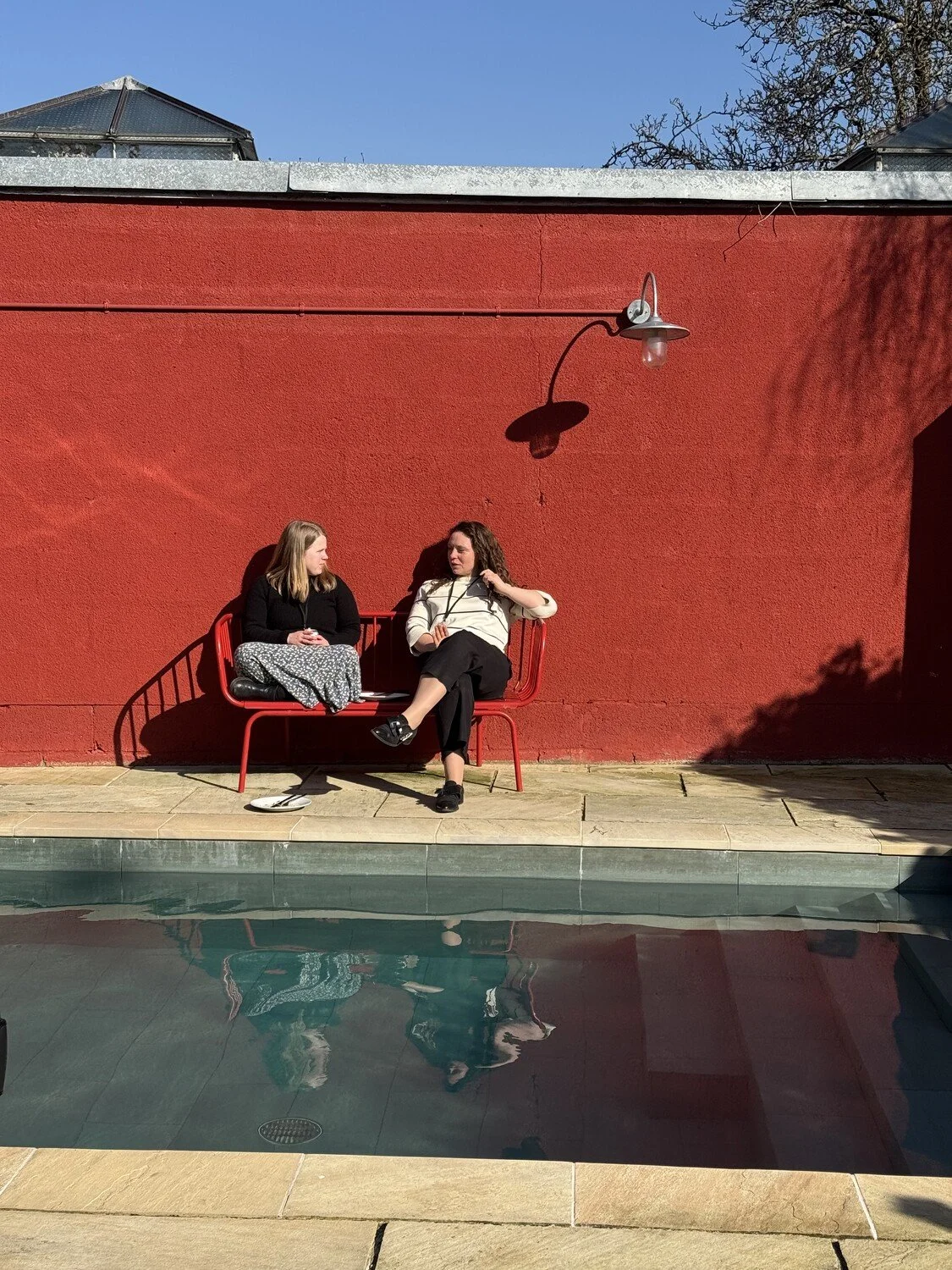
A strategy retreat supports this by creating a shared experience that strengthens relationships while doing meaningful work. It allows teams to explore not only what they are working towards, but how they want to work together to get there.
The result is not forced togetherness, but genuine connection built through thoughtful conversation and shared reflection.
Taking Pressure Off, Without Losing Rigour
One of the reasons large organisations value well designed retreats is that they remove pressure rather than add to it.
At ASHA, and in partnership with Roam & Wonder, we take responsibility for structure, facilitation and environment. This allows leadership teams to arrive without needing to manage logistics, agendas or outcomes in real time.
What remains is the work itself.
Strategy. Direction. Alignment. Creativity. Decision making.
This combination of rigour and ease is what allows teams to engage at a deeper level.

Long Term Impact, Not Short Term Momentum
The organisations that gain most from a Strategy Lab Retreat are thinking beyond immediate outputs and the next quarter only.
They are investing in leadership capability, strategic clarity and organisational health. They recognise that time spent thinking well together strengthens the organisation long after the retreat has finished.
Teams do not leave with just a plan. They leave with shared intent, sharper focus and a stronger collective ability to navigate what comes next.
A Final Reflection
For organisations operating at scale, stepping away to think strategically is not a luxury. It is a response to the realities of leadership, complexity and pace.
Creating the space to think clearly, reconnect meaningfully and move forward with confidence is one of the most effective interventions a senior team can make.
For those leaders and organisations, the impact speaks for itself.